
 all communications are private and not shared with other parties.
Window Replacement Cost in the Bay Area & Sacramento: What Shapes Your Price and How to Plan
Key Takeaway
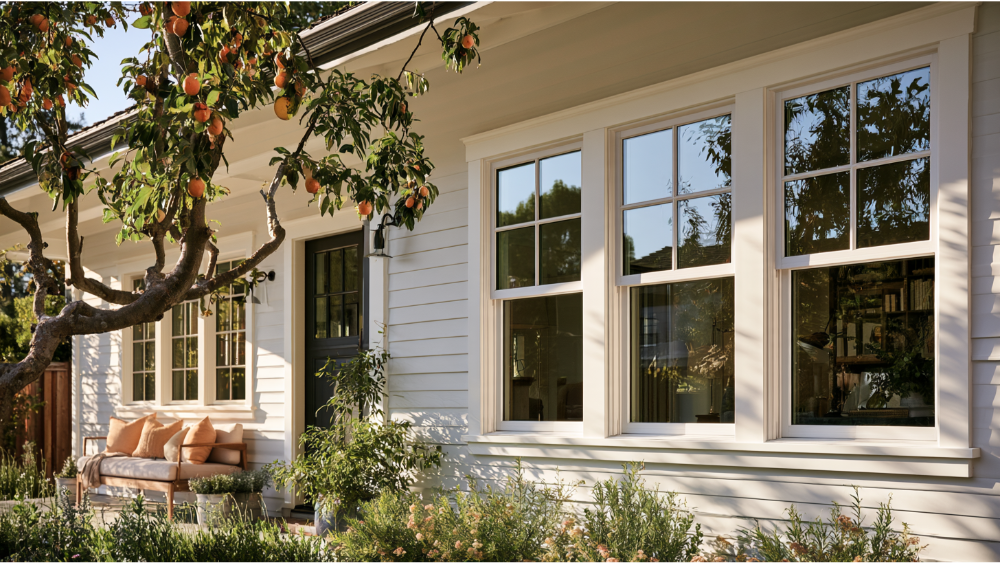
The windows cost of replacement typically ranges from $500 to $1,200 per window installed in California in 2026, with whole-house projects averaging around $7,183 nationally. Bay Area homeowners generally plan for $600 to $1,200 installed, while Sacramento projects often run $500 to $1,000 or more. Your final price depends on window type, frame material, installation method, and local permit requirements.
What Does the Windows Cost of Replacement Look Like in 2026?
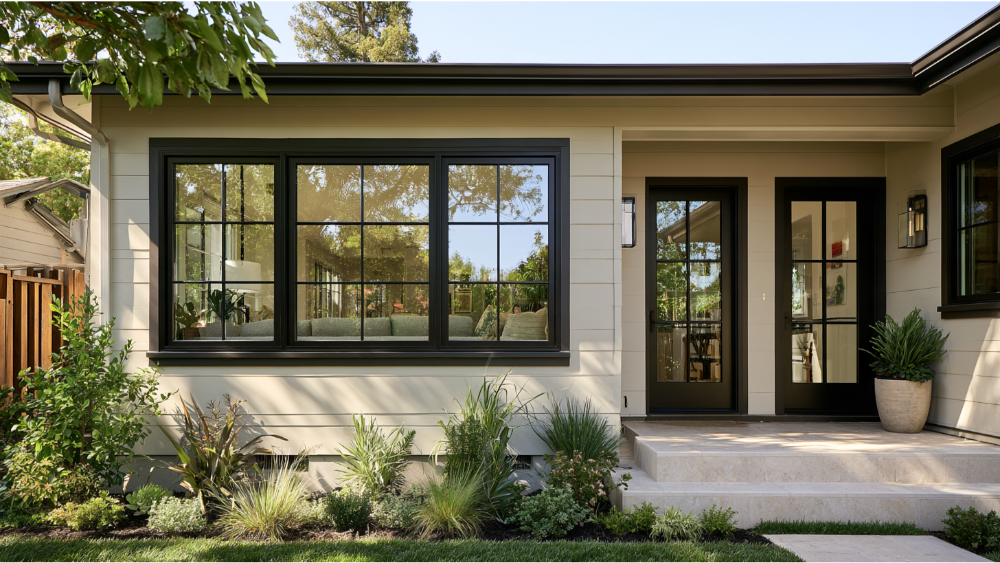
A standard window that’s professionally installed usually runs somewhere around $500 to $1,200 in 2026, and whole projects averaged about $7,183 nationally this year, or roughly $517 per window. In the Bay Area, a directional planning range for window replacement lands around $600 to $1,200 installed. In Sacramento, you’re generally looking at $500 to $1,000 or more depending on the product. These are planning ranges, not quotes. Your real windows cost of replacement depends on accurate measurements, the condition of each window opening, the product you choose, and the installation method. If you’re a homeowner planning a meaningful window replacement project, often a whole house replacement, here’s the one idea to hold onto: compare scope before you compare totals. A number only means something once you know what’s behind it.
How Much Do New Windows Cost by Region and Project Size?
National data gives you a useful baseline for what new windows cost. One 2026 survey of 1,000 customers reported an average of $517 per window installed and $7,183 per project, with homeowners replacing about seven windows each. A separate dataset built on 17,857 verified projects put the national project average at $7,348, a typical range of $3,436 to $11,837, and individual windows anywhere from $300 to $2,500. That spread tells you something important on its own: averages differ because some figures are product-only, some are fully installed, and some fold in trim, permits, disposal, or specialty windows. Separating out installation costs from the window itself is the first step to reading any estimate honestly.
| Market | Per-window range | Typical project note |
|---|---|---|
| National | $300–$2,500 | Average project near $7,183–$7,348 |
| Bay Area | $600–$1,200 installed | Higher labor costs and access costs |
| Sacramento | $500–$800 standard, $1,000+ upgraded | Solar control often drives upgrades |
Treat every local figure here as a directional planning estimate. No online average replaces an accurate measurement of your actual openings.
Several Factors Shape Your Replacement Windows Price

Most of the variation between quotes comes down to a handful of drivers. Labor and installation costs alone typically account for 30 to 50 percent of a project’s total cost, often $300 to $500 per window, and they swing with how complex the install is.
- How many windows and their window size: more windows and larger glass raise the overall cost; a standard window costs less than custom.
- Window style and operation: crank hardware, projection, and moving parts increase costs.
- Frame material: vinyl windows, fiberglass windows, wood, and aluminum carry different price and upkeep profiles.
- Glass and energy package: double pane glass versus triple pane, Low-E coatings, and ratings.
- Retrofit versus full frame method: one of the biggest cost levers, covered below.
- Access and installation complexity: ground-floor work is simpler than upper-story or hard to reach areas.
- Permits, historic review, and lead-safe work: real scope items, not surcharges.
- Trim, repairs, disposal, and warranty coverage: hidden rot or stucco patching can add a significant portion to the total.
Inclusions matter more than any generic price table. Two quotes can list the same window and still describe very different work.
Retrofit vs. Full Frame: Why the Method Changes Installation Costs
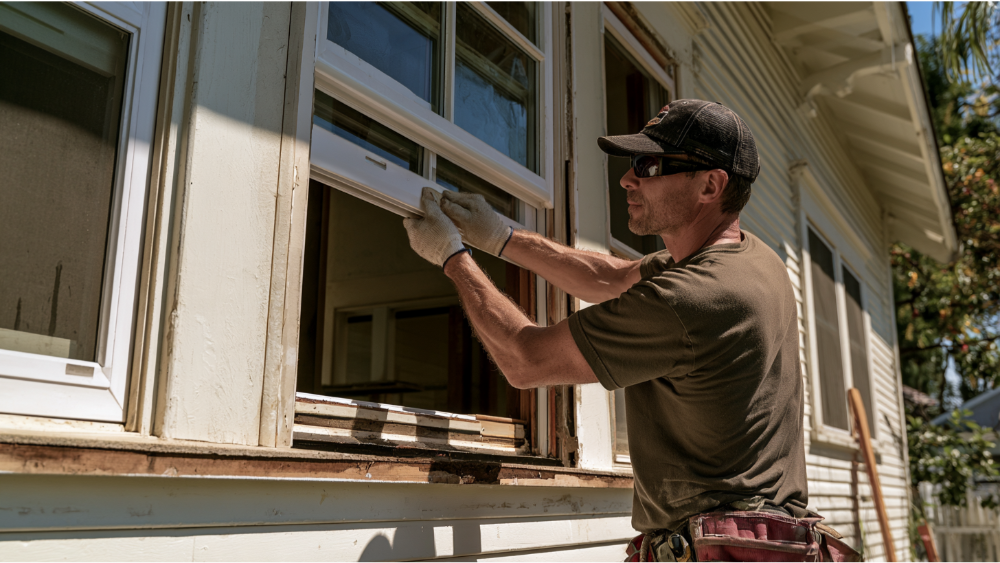
This is the clearest example of comparing scope before totals. A retrofit or insert installation places the new window inside a sound existing window frame. It’s less invasive and generally more affordable. A full frame replacement removes the window down to the rough opening, which can require new flashing, trim, framing, stucco, siding, additional insulation, or interior finish work.
Retrofit suits homes where the existing frame is solid and square. Full replacement becomes necessary when there’s hidden rot, water damage, failed flashing, or an opening that needs reworking. It costs more because it addresses what a retrofit can’t reach, and installation quality here affects the long term performance of the window for years. This is also where installation complexity shows up most in the final number.
If one contractor quotes a retrofit and another quotes a full frame, their per window prices are not comparable. Always confirm which method a quote assumes.
How Does Window Type Affect Replacement Cost?
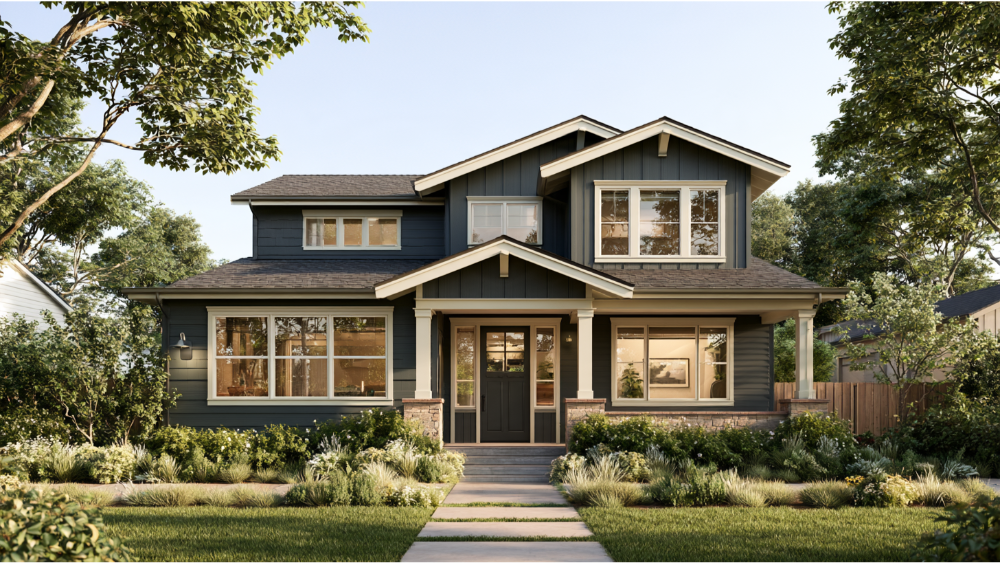
Style moves the price through glass area, hardware, projection, and whether the shape is custom. Here’s how the common types stack up by use case:
- Sliders, single hung windows, and double hung windows: the most common choices and generally the most affordable.
- Casement windows and awning windows: crank-operated with a tight seal, often around $529 each, a bit more than a basic hung window.
- Picture windows: fixed units with large glass area, strong natural light, and no moving parts.
- Geometric and combination units: custom shapes and multiple windows per frame raise cost.
- Bay windows, bow, and garden windows: they project outward, often need structural support, and sit at the higher end.
We offer all of these, from sliders and hung windows to casement, awning, picture, geometric, bay and bow, and garden styles, so the right fit for each opening gets matched to your home rather than forced into one default. Double hung and slider styles are popular in living rooms where you want easy operation and plenty of light.
How Does Frame Material Affect Cost and Long-Term Performance?
Frame material changes both the upfront price and what you’ll spend keeping the window in good shape. There’s no single “best” among window materials, only the best fit for your use case and the Best Value for your goals.
- Vinyl windows: typically the most affordable, low maintenance, and energy efficient. A practical default for many homes.
- Aluminum: among the lowest upfront cost, averaging around $453 per unit, but it conducts heat, so there are thermal tradeoffs.
- Fiberglass and composite windows: durable and stable, often the most expensive at about $564 per unit, with strong long-term performance.
- Wood: the classic look many homeowners want, with the highest upkeep.
Function and appearance carry equal weight here. A frame that performs but looks wrong, or looks right but fails early, isn’t finished work. We help you weigh both.
How Do Double Pane Windows Affect Price and Energy Efficiency?
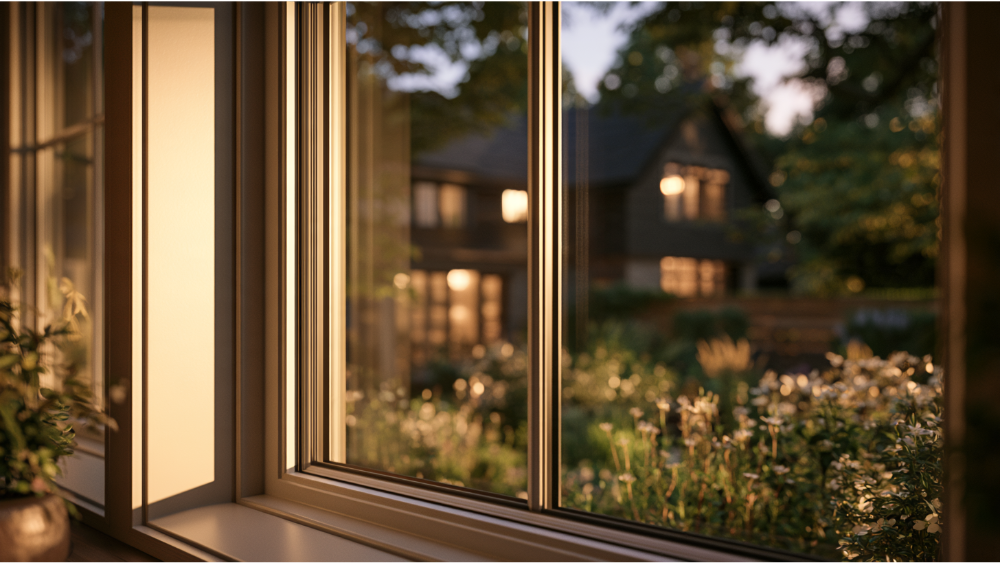
The glass package is a major cost and performance lever. Double pane glass is the practical standard and averaged about $529 per unit in 2026. Triple pane adds another layer of insulation and runs higher, roughly $609 each, and it makes the most sense in homes chasing comfort and quiet in tougher conditions.
Here’s the catch. “Double pane windows” or low e glass alone doesn’t prove performance. Two double pane windows can perform very differently. Read the actual NFRC U-factor and SHGC on the unit being proposed, and make sure the installer seals and insulates the opening properly, since air infiltration undoes a good product. Energy efficient glass only delivers when it’s installed right. Those ratings connect directly to California’s energy code, which we’ll get to next.
Bay Area vs. Sacramento: What’s Different About Cost Here?
California isn’t one market. Labor, permits, climate, and housing stock vary enough that the two regions plan differently.
Bay Area
Labor costs and access costs run higher, and older housing stock means more surprises behind the trim. The region spans several climate zones, so product ratings aren’t one-size-fits-all. San Francisco in particular carries permit and historic-review requirements, and visible façades often call for custom sizing and compatible profiles. Working with a local window company that knows these rules saves time.
Sacramento
Hot summers push solar heat gain to the front of the conversation. Sacramento sits in California Climate Zone 12, where glass selection and solar control often matter more than extra panes. Most residential window changeouts here are handled as minor permits, which can mean a simpler path than some Bay Area projects.
We work across both the Bay Area and Sacramento, so the planning reflects your actual region rather than a national average. All local figures stay directional until your openings are measured.
California Codes, Permits, and Older-Home Requirements
A few rules shape every window replacement here, and a good window company handles them so you don’t have to.
The 2025 California Energy Code sets limits that vary across the state’s 16 climate zones. The prescriptive maximum U-factor is 0.27 in Climate Zones 1 to 5, 11 to 14, and 16, and 0.30 in Zones 6 to 10 and 15. An SHGC of 0.23 applies in Zones 2, 4, and 6 to 15. The right ratings depend on your address, so don’t assume one number covers the whole region.
The NFRC label is how you read performance. U-factor measures heat transfer (lower is better), SHGC measures solar heat let through (lower blocks more), plus visible transmittance and air leakage. ENERGY STAR Version 7.0 caps air leakage at 0.3 cfm/ft² for windows and sliding doors.
San Francisco requires a building permit for all replacement windows, with possible Planning or historic review on visible or landmark properties. Sacramento treats most changeouts as minor permits, no plan review, but a permit is still required. And for homes built before 1978, EPA’s lead-safe Renovation, Repair and Painting rule applies to window work. It’s a legitimate scope factor, not a mystery line item. Whether it’s a straightforward swap or a full new construction project, we’re CSLB Licensed & Insured (#923505) and handle plans and permits as part of the project.
What Should a Window Replacement Quote Include?
This is where comparing scope pays off. A complete quote should spell out:
- Exact number of windows and openings
- Product manufacturer and model
- Frame material, color, and operation
- U-factor and SHGC
- Window sizes
- Retrofit or full frame method
- Removal of existing units
- Flashing and sealing approach
- Interior and exterior finish work
- Permit responsibility and fees
- Disposal of old windows
- Product warranty and labor warranty
- Payment schedule
- A written process for unknown conditions and change orders
California gives you built-in protections worth knowing. A written home-improvement contract is required once combined labor and materials top $500, and the standard down payment is capped at $1,000 or 10 percent of the contract, whichever is less. Ask whether the contractor carries Workers’ Comp, and get the warranty and service policy in writing. Installation quality is what makes or breaks the result, so the installer matters as much as the window.
How to Plan Energy Efficient Upgrades and Save on Project Cost Without Compromising Quality
A little preparation keeps the final number from surprising you. Count openings, not panes. Flag specialty shapes early. Check your home’s age and historic status. Confirm every estimate is installed, not product-only, so you’re comparing true window replacement cost rather than a bare base cost. Compare identical product ratings and scopes side by side, and keep any unknown structural conditions as a separate line so they don’t muddy the comparison. Put every change in writing.
Choosing to replace windows across the whole house at once can lower per window labor and mobilization cost through scale, and quantity often helps, though we won’t promise a specific discount before measuring. Energy efficient upgrades can also ease your utility bills over time, which is part of why many homeowners weigh the total investment against years of comfort. One correction worth making: there is no federal Section 25C tax credit for windows placed in service after December 31, 2025. You may still find utility, manufacturer, or local incentives, so check those at the time you buy. For a significant home improvement project spread over time, we offer 0% financing among our financing options.
The Hassle-Free, One-Stop Way to Replace Your Windows
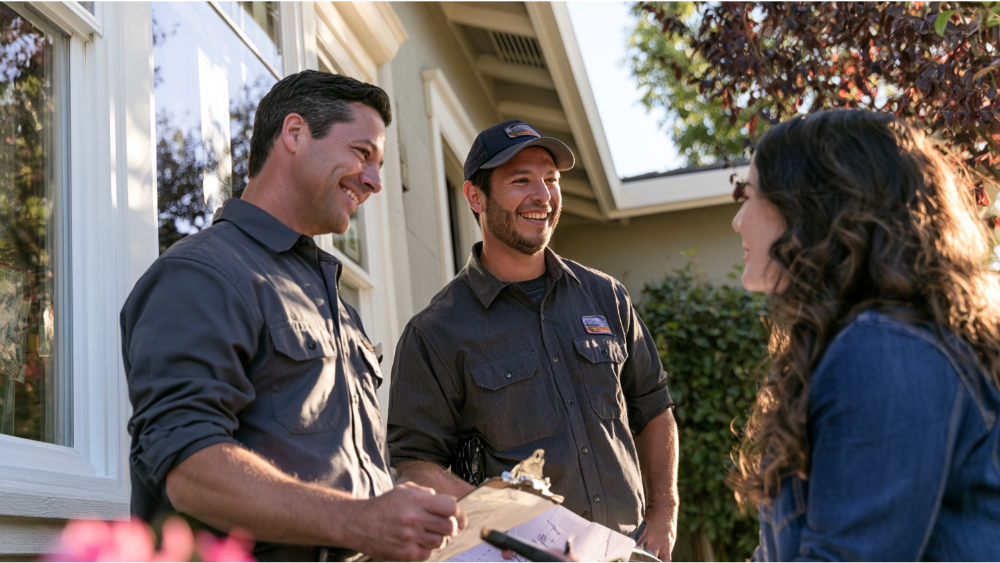
The simplest way to keep a construction project on track is to have one accountable team handle it end to end. That’s how we work, in three steps:
- Connect: a free in-home or virtual consultation, informative and patient, with no pressure.
- Measure: accurate measurements and expert product guidance so the new windows you order actually fit, with a personalized estimate based on your real openings.
- Install: plans, permits, product delivery, and quality installation handled by one team.
We’re CSLB Licensed & Insured (#923505), Diamond Certified, and BBB Accredited with an A+ rating. With 15+ years in the market and 360+ projects completed yearly, we back our work with a lifetime warranty on products and labor, and the maker’s warranty usually doubles on installation. Ready to get real numbers for your home and a personalized estimate? Schedule a free, no-obligation consultation. Call (888) 853-6277.
Frequently Asked Questions
How much should I budget for replacement windows? As a planning range, expect roughly $500 to $1,200 per window installed depending on region, product, and method, with whole projects often in the mid thousands. A measured, property-specific quote is the only way to know your real new windows cost.
What is the average cost to replace 12 windows in a home? Using directional ranges, 12 windows might plan out near $7,200 to $14,400 in the Bay Area or $6,000 to $12,000 in Sacramento. Replacing multiple windows together often trims the per window labor cost.
Is it worth replacing 20-year-old windows? Often yes, for better energy efficiency, comfort, and appearance. If a single unit has only foggy glass and a sound frame, a repair may be enough, but widespread failure usually points to new windows across the home.
Which window materials offer the Best Value? It depends on your use case. Vinyl windows are affordable and efficient for most homes, while fiberglass windows cost more but last. There’s no single “best,” only the right fit for your goals.
Are federal tax credits available for replacement windows in 2026? No. The Section 25C credit does not apply to windows placed in service after December 31, 2025. Check current utility, manufacturer, or local incentives instead.
Want straight answers for your own home? Request a free, no-obligation quote and expert advice at (888) 853-6277.
Trusted By: