

 all communications are private and not shared with other parties.
The Window Sill Guide: Materials, Damage Signs, and How Sills Shape Your Window Choice in the Bay Area & Sacramento
Key Takeaway
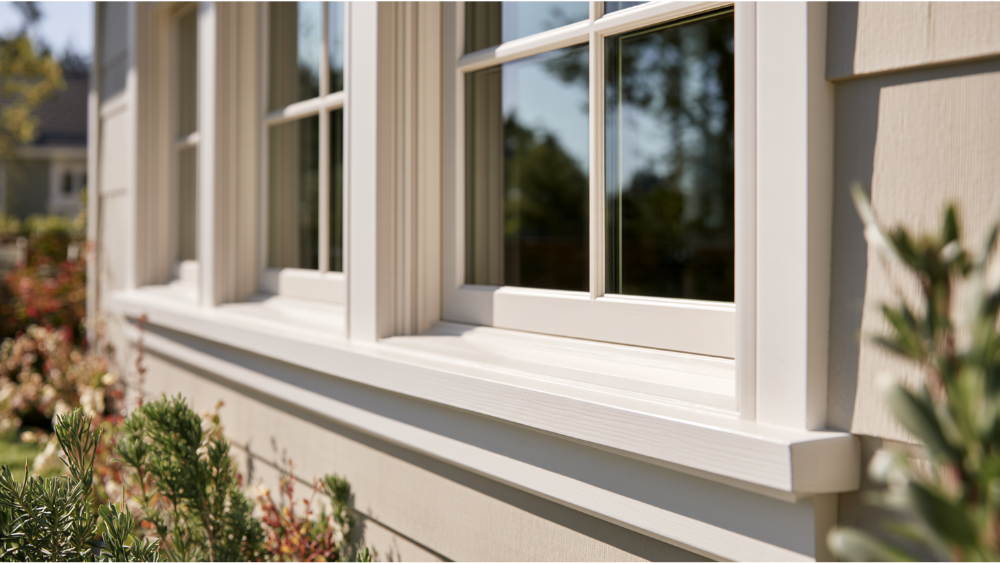
A window sill is the sloped horizontal piece at the bottom of a window that directs water away from the opening and protects the wall below. Soft or spongy wood, water stains, and peeling paint are the key damage signs to watch for. The water source must be fixed before any repair, or decay returns. Sill condition also determines whether an insert replacement or full-frame replacement is the right approach.
A window sill is the horizontal lower part of a window assembly. The exterior sill sheds water away from the opening, while the visible interior shelf is technically called the window stool. If you’ve noticed soft wood, water stains, or peeling paint, take a breath: visible damage doesn’t automatically mean replacing the whole window. The water source and the hidden condition underneath decide the right fix. Here’s how to read your window sill and weigh your options as a Bay Area or Sacramento homeowner.
What Is a Window Sill? (Sill, Stool, and Window Frame Terms)
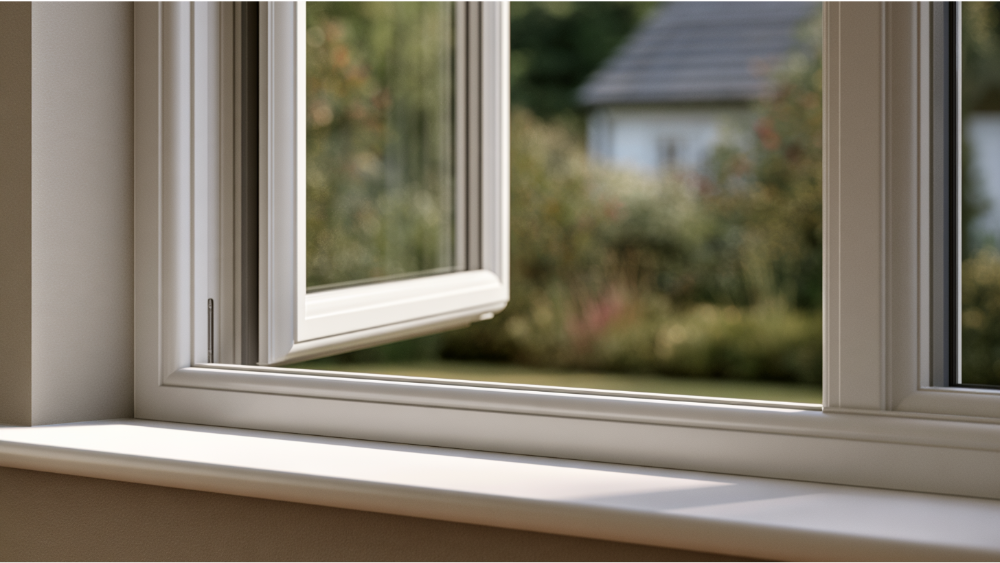
The exterior sill is the sloped horizontal piece on the outside that directs water away from the opening and shields the wall from the elements and debris. The interior sill, the shelf you set a plant on, is technically the window stool, and it helps keep water from seeping through gaps at the bottom. Beneath the manufactured window there’s also a rough sill, the framing that supports the whole opening and forms the base of the assembly. The sash should rest cleanly against the sill when closed.
A few other terms help you talk clearly with an installer: the jamb (the vertical sides), the sash (the part that holds the glass), the casing and window trim (the molding around the frame), the apron (trim under the interior sill), and the weep holes (small drainage openings). Picture a labeled diagram here: window sill at the bottom, jambs on both sides, stool and apron inside. The window sill is part of the window’s water-management system, not just decorative window trim.
What Window Sills Are Made Of (Materials and Window Trim)
The exterior sill material, the interior stool material, and the window frame material are related but separate decisions. Exterior surfaces have to be weather-resistant. Interior windowsills are where decorative choices live, and the window trim that frames them ties the look together.
| Material | Typical use | Moisture resistance | Maintenance |
|---|---|---|---|
| Wood | Interior and exterior windowsills | Vulnerable when water is trapped | Regular finishing |
| Vinyl/PVC & composites | Frame, window trim, some sills | Good | Low, no painting |
| Fiberglass | Window frame (not a decorative sill) | Dimensionally stable | Low |
| Aluminum (thermally improved) | Frame | Strong | Low |
| Stucco/concrete | Exterior, sloped | Won’t warp, rot, or harbor mold | Low |
| Stone/tile/solid surface | Interior ledges | Good (varies) | Varies by finish |
Don’t conflate a fiberglass window frame with a decorative interior sill. They serve different jobs. A PVC or composite window sill shrugs off splashes near a sink, while stone or tile windowsills add weight and a premium touch to a bay. Concrete and stucco sills on the exterior stay stable through wet winters. We work in vinyl, fiberglass, wood, and aluminum window products, and a consultation helps you choose the right material to match how each window actually performs.
Signs Your Window Sill Is Damaged (and What’s Causing It)
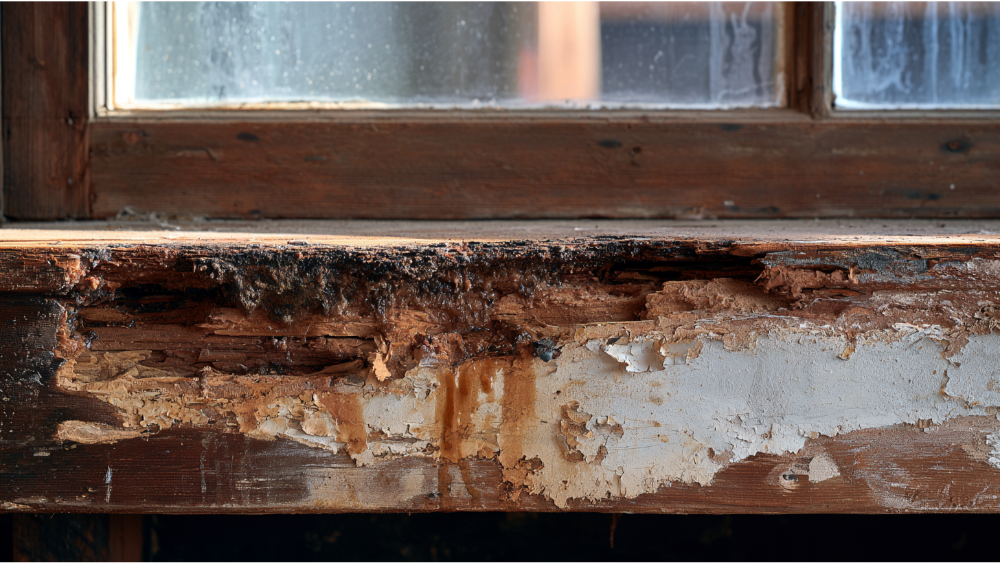
Watch for these:
- Soft or spongy wood
- Peeling or bubbling paint on the window sill or trim
- Cracks and open joints
- Water stains on the sill, window trim, or wall below
- Mold or a musty odor
- Recurring condensation
- Water pooling instead of draining
- Blocked weep holes or deterioration where the sill meets the jamb or siding
Press suspect wood gently with your touch: sound wood stays firm, while wood you can indent often signals decay and a moisture problem underneath. Pooling water usually points to a drainage or slope issue. Recurring condensation points to indoor humidity or a cold surface. The EPA recommends keeping indoor relative humidity between 30% and 50% (below 60%), and drying wet materials within 24 to 48 hours to limit mold. Stains below the window sill can mean failed flashing. Mold doesn’t automatically mean rain is leaking in. Condensation and high humidity are separate causes needing different fixes. Weekly dusting, humidity control, and clear exterior drainage all keep moisture from accumulating.
Can You Repair a Window Sill, or Does the Window Need Replacing?
The answer depends on condition, not an arbitrary percentage. (The “10% rot” rule you’ll see online isn’t a building-code standard.)
| Condition | Likely next step |
|---|---|
| Surface paint failure, wood dry and firm | Refinish after confirming no active leak |
| Small, localized deterioration | Professional assessment for patch or component replacement |
| Cracked/rotting sill, frame still serviceable | Replace the window sill and correct the moisture source first |
| Soft jambs, casing, or wall below | Broader investigation; full-frame work may be needed |
| Missing material or exposed cavity | Prompt professional evaluation |
| Repeated leakage after prior caulking | Inspect flashing, drainage, and the rough opening |
| Sound, square, dry frame | Insert replacement may be a candidate |
| Hidden damage behind the frame | Full-frame replacement for access to rebuild and reflash |
Fix the water source before any cosmetic repair, or the decay comes right back. Of course, that means removing and correcting whatever let water in, not just patching the surface. One safety note: the federal lead-paint ban took effect in 1978, and the EPA’s Renovation, Repair and Painting rule covers window replacement regardless of how much painted surface is disturbed. The usual 6 sq. ft. interior and 20 sq. ft. exterior thresholds don’t exempt window work. California homeowners can consult the CDPH for certified lead professionals.
How Your Window Sill Shapes Your New Window Choice in the Bay Area & Sacramento
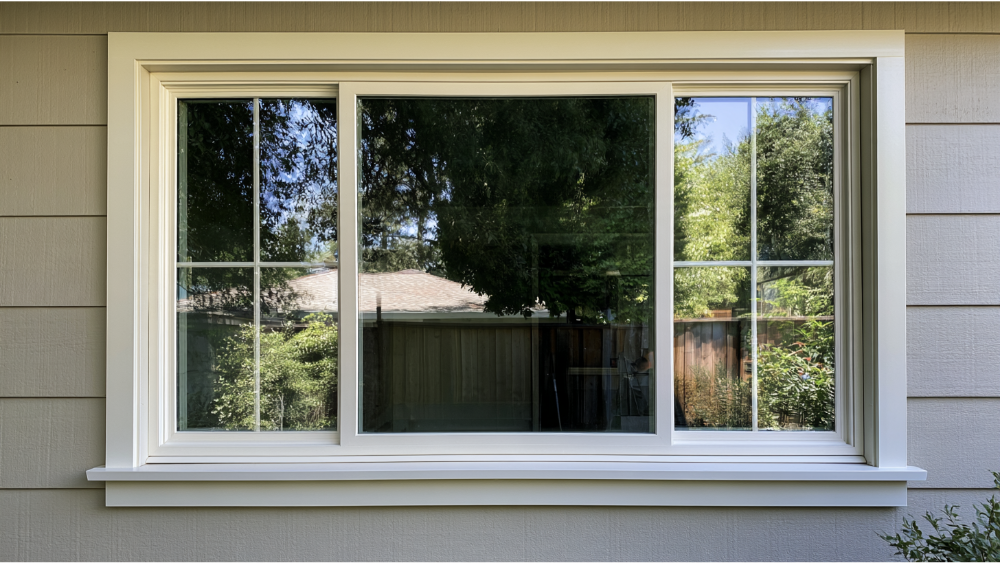
A sound existing window sill can support an insert replacement. A full-frame replacement gives access to rebuild and reflash the opening when the sill or framing is compromised. Sill condition also affects interior stool depth, wall thickness, frame material, and operating style, which is why accurate measurement and custom sizing matter. The right width and length keep the sash square, and a well-built exterior sill should extend about three-quarters of an inch beyond the wall and slope (a gradient of at least 8%) to drain. A sill that is too narrow or not wide enough for the opening leaves gaps where water can run back toward the wall.
California uses 16 climate zones. San Francisco sits in Climate Zone 3 and Sacramento in Zone 12, so one glass package doesn’t suit every address. Check the NFRC label to compare U-factor and SHGC. When replacing a low operable window in a one- or two-family home, fall-prevention screening may apply if the clear opening is under 24 inches above the floor, the exterior drop is over 72 inches, and the opening passes a 4-inch sphere. These are screening criteria, confirmed at measurement. The 2025 California Building and Energy Codes took effect January 1, 2026. San Francisco requires a permit for window replacement (check historic status first, and visible windows may get Planning review), while Sacramento treats changeouts as minor-permit work, generally without plan review but still a permit. Confirm permit and product requirements before ordering. This isn’t New York, where rules differ by borough; your local California building department has the final say.
What a Professional Window Evaluation Should Include
Our process has three steps. Connect: we talk through symptoms, goals, and how you want the window to look and perform. Measure: we inspect and measure for accuracy, checking the sill, frame, any visible rough-opening condition, wall depth, the interior stool, drainage and flashing concerns, and clear-opening needs. Plan and install: we confirm products, energy ratings, permits, on-time delivery, and quality installation. As a one-stop shop, we handle product, measurement, plans, permits, and getting every window installed right. We’re CSLB Licensed & Insured (#923505), Diamond Certified, and BBB A+, with a lifetime warranty on our work. The right windows can also increase comfort and curb appeal, which is why we treat function and appearance as equally important on every project.
Request a Free Window Consultation

If a damaged window sill has you unsure whether you need a repair or a full window replacement, schedule a free in-home or virtual consultation today. We’ll measure for accuracy, explain your options, and make the next step easy with a no-obligation quote. Ask about 0% financing. To get in touch, contact Best Exteriors at (888) 853-6277.
Frequently Asked Questions
Is it “window sill” or “windowsill”?
Both are accepted and used interchangeably. Many homeowners write windowsills as one word, and “sill” is the standard American spelling either way.
Is it spelled “sill” or “cill”?
“Sill” is standard in the U.S. “Cill” is a traditional British building-trade spelling for the same part.
What’s the difference between a sill, stool, and ledge?
The exterior horizontal part is the sill. The interior shelf most people call a sill is technically the window stool, and “ledge” is an informal term for that same interior shelf.
Do replacement windows include a new sill?
It depends on the method. Insert replacement often keeps a sound existing sill, while full-frame replacement allows rebuilding and reflashing. Decorative windowsills and matching window trim may be separate from the manufactured window, and adding them is a quick part of the same project when the new unit is installed.
Trusted By: