
 all communications are private and not shared with other parties.
Replacement Front Windows: The Complete Guide for Bay Area & Sacramento Homeowners
Key Takeaway
Replacement front windows involve choosing between insert and full-frame installation, selecting the right style and frame material, and meeting California energy and permit requirements. In Sacramento, new windows must meet a 0.27 U-factor and 0.23 SHGC; San Francisco requires a 0.27 U-factor with no general SHGC limit. Custom windows typically take six to twelve weeks to build, and proper flashing during installation is critical to long-term performance.
What You Should Know Before Replacing Your Front Windows
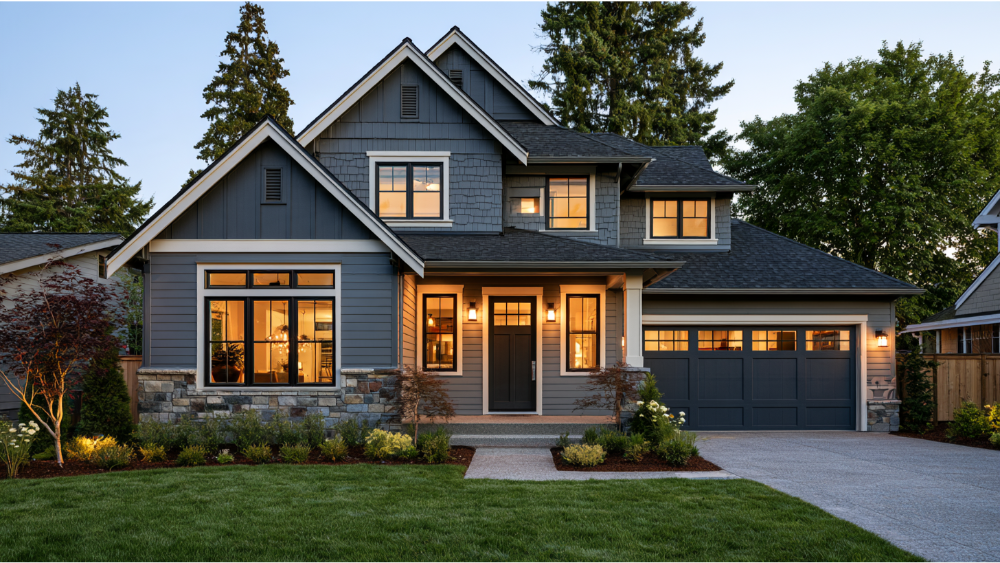
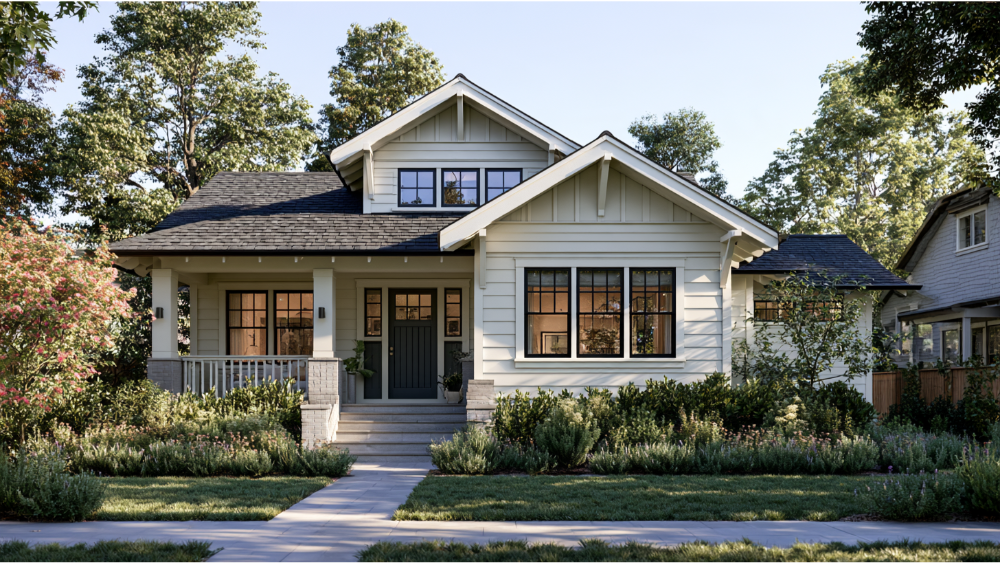
Replacement front windows should preserve the proportions and character of your home’s most visible side while improving comfort, operation, and energy performance. The right choice depends on whether you need an insert or full-frame installation, how the room is used, and which product meets the energy, permit, and safety rules that apply to your property. “Front windows” isn’t a product category. It describes the street-facing windows on your façade, which might be one large picture window, a living-room combination, a bay or bow, or the units flanking your front door.
If you own a home in the Bay Area or Sacramento and you’re weighing replacement windows, here’s the useful way to think about it: your front windows work as a façade system, not just individual products. Good planning balances appearance, function, performance, and compliance together.
Do Your Front Windows Need Repair or Full Replacement?
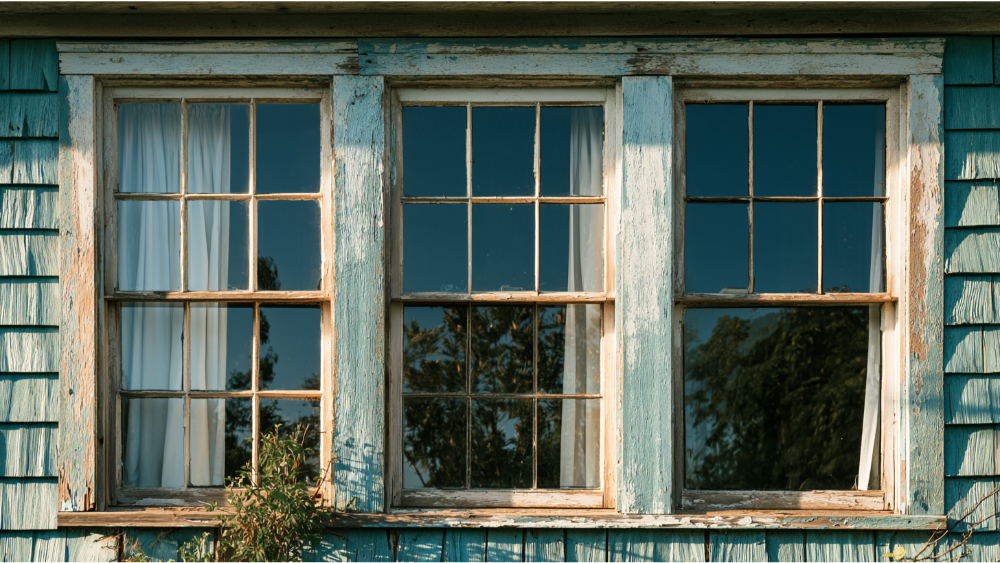
Being cautious here is reasonable. This is a significant investment, and knowing what you’re actually dealing with saves money. Replacing windows usually makes sense when you see fogging or condensation trapped between the panes of insulated glass, persistent drafts, windows that stick or won’t lock safely, visible frame deterioration, a broken sash or hardware, signs of water intrusion or water damage around the opening, or a prior installation that was done poorly. It also makes sense when you want to change the size, style, or how a window operates.
A quick way to sort what you’re facing:
- Glass-only issue: a cracked or fogged pane with a sound frame may be a glass or sash fix.
- Sash or hardware issue: balky operation can sometimes be repaired without full replacement.
- Insert candidate: the frame and opening are solid and square, but the window itself is worn out.
- Full-frame candidate: rot, leakage, frame damage, or a desired change in size or style.
Can You Replace Just the Front Windows?
Yes. Projects can be phased, and replacing only the street-facing windows is a common, sensible approach. Many homeowners end up doing larger scopes, often around seven windows in a single project, and whole-home window replacements are frequent. Even if you’re only replacing part of the façade now, plan all the front-facing windows together so the finished look stays consistent. One thing to keep realistic: replacing a single façade won’t deliver whole-home energy results on its own. It improves the windows you touch, and that’s the honest expectation to set.
Which Window Type and Style Works Best at the Front of a House?
The best style follows the room’s use and the home’s architecture, not the other way around. Window styles range from fixed glass to several operating types, and matching the right one to each opening is what makes the front read cleanly. Here’s a quick guide by use case:
| Style | Best use |
|---|---|
| Picture | Maximum light and unobstructed views; fixed, doesn’t open |
| Casement | Ventilation with an open glass area; hinged on one side, opens outward |
| Single hung or double hung | Traditional vertical proportions that suit many classic façades |
| Slider | Wide openings with simple sliding, horizontal operation |
| Awning | Ventilation even during light rain |
| Bay or bow | A projecting architectural feature that adds interior dimension |
| Combination | A fixed center flanked by operable side units |
| Geometric | An accent above or beside your primary windows |
| Garden | Better suited to specialized spots than a main front façade |
A picture or combination window often anchors a living room, while casement, sliding, or double hung windows carry the rest of the façade with proportions that match the architecture. Single hung windows work the same way visually but open only at the bottom, while awning windows let you vent high spaces without letting rain in. Among these styles, double hung windows remain one of the most versatile choices for traditional homes because both the top sash and the bottom sash move for easy airflow and cleaning.
How to Make New Front Windows Actually Look Right
Function and appearance matter equally, especially on the side of the house everyone sees first. Use this checklist to keep the façade looking intentional:
- Match the home’s architectural style.
- Keep head and sill lines aligned across the façade.
- Hold consistent frame and sash proportions.
- Carry grille patterns through where they already exist.
- Choose exterior color, interior colors, and material that work with the house.
- Keep the first and second floors visually consistent.
- Avoid an overly bulky insert frame that shrinks the glass.
- Coordinate the windows with your front door and siding.
Insert vs. Full-Frame Replacement: Which Is Right?
This is the decision that shapes your whole project, so it’s worth getting right. An insert (or pocket) replacement fits a new window inside the existing frame and leaves exterior trim and finishes mostly in place. It’s the right call only when the existing frame and opening are sound, square, and reusable. Because a second frame sits inside the old one, an insert can reduce the visible glass area slightly.
A full-frame replacement removes the old frame entirely and exposes the rough opening. It’s the stronger option when there’s deterioration, leakage, frame damage, or a poor prior installation, and it’s required if you want to change the size, shape, or operating style of the windows. It may disturb stucco, siding, exterior trim, flooring near the opening, or interior casing.
- Existing frame condition: insert needs it sound; full-frame fixes a bad one.
- Visible glass area: full-frame preserves more glass.
- Disruption: insert is lighter on finishes; full-frame touches more.
- Flashing and water problems: only full-frame lets you correct them.
- Changing size or style: requires full-frame.
For weather-exposed front windows, properly integrated sill, jamb, and head flashing that ties into the wall’s drainage plane is what keeps water out over time. This is one place where professional installation earns its keep, because the flashing details decide whether the windows stay dry for decades.
Choosing the Right Frame Material: Vinyl Windows, Wood Windows, and More
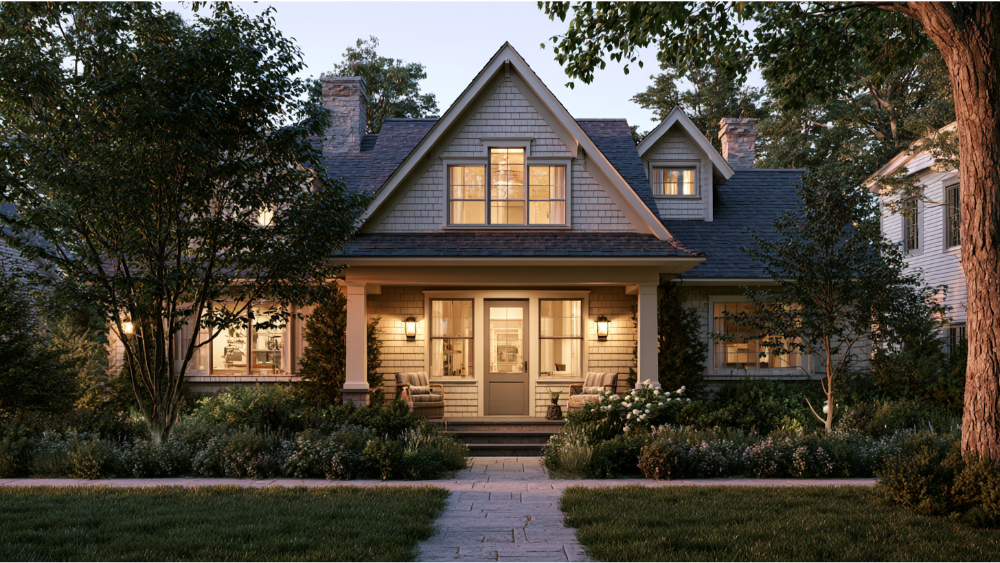
No single material is right for every home, so weigh appearance, maintenance, moisture resistance, and thermal behavior against your façade. These window materials each behave differently:
- Vinyl: vinyl windows are affordable and low maintenance, with more limited color options. A practical, cost-effective choice for many homes, and often the lowest-cost route to quality replacement windows.
- Fiberglass: extremely strong and dimensionally stable, with good thermal behavior and a clean look.
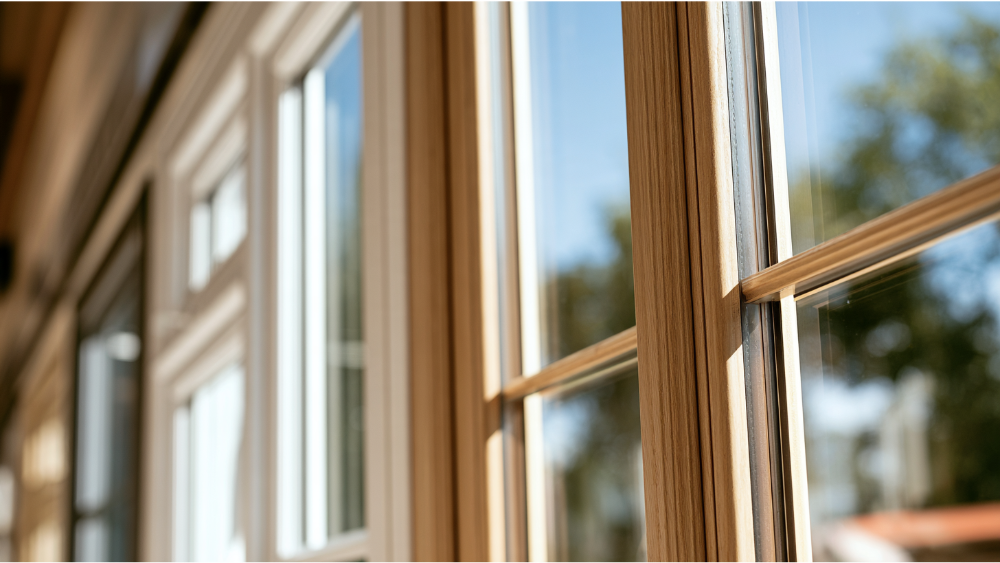
- Wood: wood windows offer high insulation and a classic appearance, typically the most expensive, and the wood needs regular maintenance to prevent rot.
- Aluminum: strong with slim sightlines that suit certain modern and specific architectural styles.
- Composite and other custom options: combine materials for stability and appearance.
We offer vinyl, fiberglass, wood, and aluminum windows chosen for California climates, so the material can match both how the window performs and how the façade reads. Vinyl tends to win on value and upkeep, while wood wins on warmth and detail for period homes. The right pick usually comes down to your home’s style, your maintenance tolerance, and the climate your front windows face.
Energy-Efficient Replacement Windows With Low-E and ENERGY STAR Ratings
Every window sold in California carries an NFRC label, and two numbers on it matter most. U-factor measures how readily heat passes through the whole window; lower is more insulating. SHGC (Solar Heat Gain Coefficient) measures how much solar heat the glass lets in; lower reduces heat gain. The glass type you choose drives both. Low-E (low emissivity) coatings improve both, double pane windows insulate far better than single pane windows, and inert gas fills like argon or krypton between the panes add insulation, which matters most in colder climates. Most quality replacement windows today use a Low-E coating on double pane windows as the baseline. ENERGY STAR qualification is climate-specific and built on those certified ratings.
One caution worth repeating: NFRC ratings describe the product under standard conditions. They don’t account for installation. A high-rated window can underperform if it’s poorly measured, flashed, air-sealed, or installed, which is why energy efficiency is as much about the install as the glass package. Good features on the unit only help you improve energy efficiency when the professional installation is done right. The same glass that quiets outside noise also depends on a tight fit to do its job.
What U-factor and SHGC do you need for energy efficiency?
Under the 2025 California Energy Code, effective January 1, 2026, prescriptive requirements differ by climate zone. San Francisco is in Climate Zone 3; Sacramento is in Climate Zone 12.
| Location | Climate zone | Max U-factor | Max SHGC |
|---|---|---|---|
| San Francisco | 3 | 0.27 | No general prescriptive limit |
| Sacramento | 12 | 0.27 | 0.23 |
For small projects replacing no more than 75 square feet of vertical glass, an alteration exception allows up to a 0.40 U-factor in all zones, with a 0.35 SHGC in Zone 12 (including Sacramento) but no SHGC limit in Zone 3. In practice, Sacramento homeowners usually prioritize solar heat control, while San Francisco projects lean toward insulation, air sealing, and façade compatibility. A Low-E coating helps on both fronts. Confirm your exact climate zone by project address, since some ZIP codes cross boundaries.
Permits and Code Rules California Homeowners Must Check

This is where front-window projects go sideways if they’re not planned, so local building codes deserve attention early. Here’s what applies locally.
San Francisco permits and historic review
San Francisco requires a building permit for all window replacements, whether on the front, side, or rear. Check your building’s historic classification before you buy anything. Category A* properties, City Landmarks, and buildings in conservation districts aren’t eligible for standard over-the-counter approval and may need added preservation review. For qualifying non-historic buildings, Planning Code Section 136.2 generally prevents material restrictions on replacement frames and sashes, so the old blanket claim that every street-facing window must be wood no longer holds. That means vinyl windows and fiberglass are often on the table where wood windows were once assumed to be mandatory.
Sacramento city vs. county
Within the City of Sacramento, a residential window changeout is generally a minor permit that doesn’t require full plan review, but a permit is still required. Sacramento County, a separate jurisdiction, requires permits for both retrofit and cut-in window replacements. Verify which authority governs your address before you start, since the rules vary based on your exact location.
Safety glazing, egress, and older-home rules
Front windows beside an entry door often need tempered or other approved safety glazing. It’s generally required when the nearest glass edge is within a 24-inch arc of the closed door and the bottom edge is under 60 inches above the floor. The same rule can apply near sliding glass doors. Egress rules apply when a window serves a sleeping room or basement, not every living-room picture window: new openings generally need 5.7 square feet of net clear opening (5.0 at grade floor), at least 24 inches high and 20 inches wide, with a sill no higher than 44 inches. In pre-1978 homes, EPA’s lead-safe rules apply to window replacement, which is excluded from the minor-repair exception. And if your property sits in a fire-exposed area, CAL FIRE recommends double pane windows with tempered glass, which it notes is roughly four times more resistant to breakage during a wildfire.
What Determines the Cost-Effective Side of Replacement Windows?
Cost is usually the second-biggest worry, and the honest answer is that installation costs depend on your specific project, which is exactly why an accurate measurement matters. These are the variables that move the cost of a quote:
- Number and size of windows
- Standard sizes versus custom sizing
- Window style and configuration
- Frame material (vinyl windows tend to cost less than wood windows) and glass package
- Insert versus full-frame approach
- Condition of the existing opening
- Stucco, siding, or trim work
- Permit and historic-review requirements
- Safety glazing needs
- Access and installation complexity
To see how these variables stack up, here’s a plain-language view of what tends to raise or lower the cost of a front-window project:
| Project factor | Lower-cost side | Higher-cost side |
|---|---|---|
| Installation approach | Insert (existing frame reused, finishes mostly left in place) | Full-frame (frame removed, rough opening exposed) |
| Frame material | Vinyl windows | Wood windows |
| Sizing | Standard sizing | Custom sizing and special configurations |
| Opening condition | Sound, square opening | Rot, water damage, or flashing correction needed |
| Surrounding work | Minimal trim work | Stucco, siding, or extensive trim work |
| Compliance needs | Minor permit only | Historic review plus safety glazing requirements |
Prices have risen recently, and about 14% of homeowners run into unexpected costs, usually because the opening or scope wasn’t assessed up front. An accurate in-home measurement and a detailed written quote are how you avoid surprises. Premium quality is often more accessible than people expect, and 0% financing is available, so comparing financing options can lower what the project costs you over time. Rather than guessing a figure, the better move is a free, no-obligation quote built around your actual windows.
What Happens During a Professional Window Replacement Project?
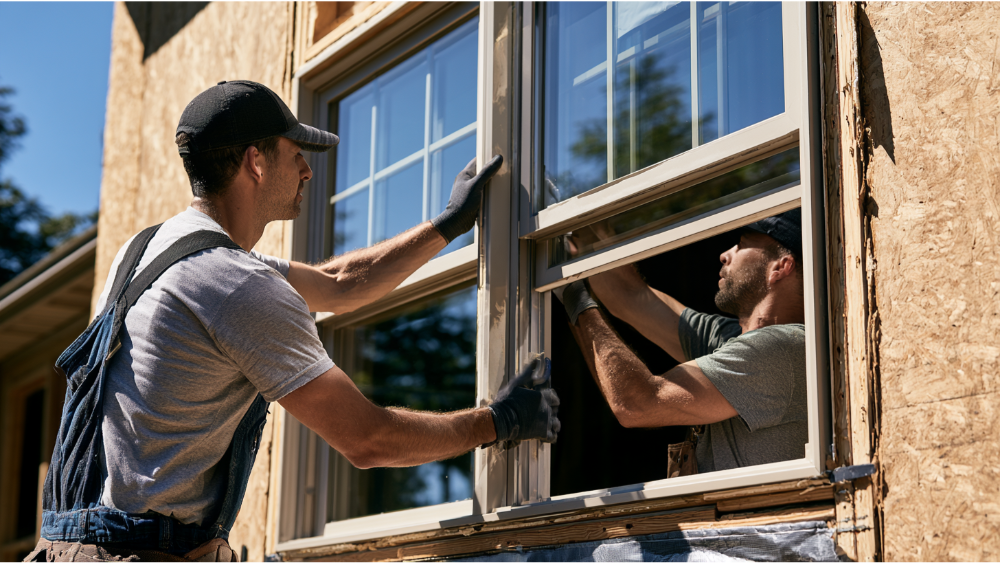
We keep the process simple, in three steps:
- Connect: a free in-home or virtual consultation where we’re informative, patient, and consultative, with product samples so you can compare styles and options.
- Measure: expert product guidance paired with accurate measurements for custom sizing, so the window fits your opening correctly.
- Install: we handle plans and permits, product delivery, quality professional installation, inspection, and your warranty documentation.
Set your schedule expectations around the build time. Custom, high-performance windows typically take six to eight weeks, sometimes up to twelve, after ordering. The installation itself is usually much quicker, and some jobs finish in a single day, though we don’t promise a fixed timeline since every home is different. A seasoned installer makes the difference between a clean fit and a drafty one, and our focus stays on getting every detail right. If you have quick questions along the way, your contractor should be easy to reach.
How to Compare Contractors and Quotes
A good quote tells you almost everything you need to know. Look for these features in writing:
- Active CSLB license and insurance (a license is required when a permit is involved, employee labor is used, or combined labor and materials reach $1,000 or more)
- Who handles the permits
- Exact product and NFRC ratings specified, including the Low-E glass package
- Whether the scope is insert or full-frame
- Flashing and water-management details
- Interior and exterior finish work
- Lead-safe certification where relevant for pre-1978 homes
- A written payment schedule
- Written product and labor warranties
- A clear change-order process
- Who measures, supplies, delivers, and installs the windows
California gives you protections worth knowing. A written home-improvement contract is required for projects over $500, the down payment is capped at 10% or $1,000, whichever is less, and standard in-home agreements carry a three-business-day cancellation right (five for buyers age 65 or older). Choosing the right installer, and certified installers who stand behind their work, protects all of that.
Why a One-Stop Approach Reduces Project Risk
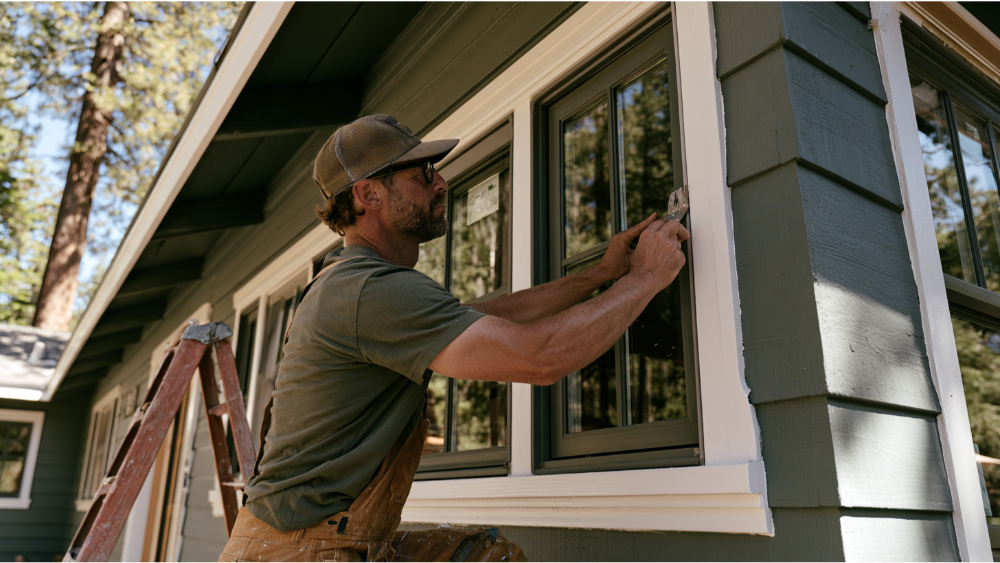
The real value of working with one experienced team is less uncertainty and a hassle-free process from the first measurement to the final inspection. We’re CSLB Licensed & Insured (License #923505), Diamond Certified, and BBB Accredited with an A+ Rating, with 15+ years of experience and 360+ projects completed yearly. We take accurate measurements, custom-size the product, handle plans and permits, and bring product delivery and quality installation under one roof. Our installations carry a lifetime warranty, and the maker’s warranty usually doubles when we install, with 0% financing available and a free in-home or virtual consultation to start. We also handle siding and doors, including sliding patio doors and front doors, when a front-window project is part of a larger exterior update. Ordinary work isn’t acceptable to us, and that’s the standard we bring to homeowners across the Bay Area and Sacramento.
Frequently Asked Questions
How much does it cost to replace a front window?
What are the best replacement windows for the front of a house?
What is a front window called?
Do I need a permit to replace front windows in California?
Is insert or full-frame replacement better?
How long does it take to get custom windows?
Ready to Replace Your Front Windows? Let’s Talk
Request a free no-obligation quote and expert advice. Schedule a free in-home or virtual consultation with Best Exteriors, or contact us by phone at (888) 853-6277. We’re informative, patient, and consultative, we serve homeowners across the Bay Area and Sacramento, and 0% financing is available.
Trusted By: